Author: admin

  • Do Athletes Need More Protein?

    Do Athletes Need More Protein?

    A professional athlete trains up to six hours a day, six days a week, and 12 months a year. They workout about 10 times harder than an average person. And while in most cases, it’s not hard to see where all of that protein goes, the much-debated question still remains: do athletes need to eat more protein? If so, by how much?

    Using the latest research and expert consensus, we try to answer that question here. Whether you are an athlete, or someone who is helping plan meals for an athlete, we hope this article clears up a few questions in your mind.

    Protein’s Role In Physical Activity

    For all individuals, protein plays an important role in muscle growth and preservation. But for athletes, the need to maintain those muscles becomes even more important. Not only do they use their muscles more, but due to prolonged strenuous physical activity, athletes are also more likely to lose muscle mass and suffer injuries if they do not consume enough protein.

    Professional weight trainers know that pre-workout fuel should contain protein. This is because when you exercise beyond 2–3 hours, and don’t have enough protein in your bloodstream, your body will “borrow” amino acids from your hard-earned muscle tissue. This is also known as muscle cannibalization. When this happens, the degree of soreness and stiffness intensifies after a long period of workout. This is why adding protein to your fuel mix is very helpful for a better workout experience.

    Aside from prevention of tissue cannibalization, protein also helps a great deal in muscle recovery. The Branched Chain Amino Acids (BCAA’s) found in many protein sources are needed in repairing muscle damage during physical activity. BCAA’s also help initiate muscle production for building lean muscles. It’s the reason why you see many protein shakes that highlight BCAA’s as a selling point.

    How Much Protein do Athletes Need?

    Now to the real question, how much protein do athletes need? The protein intake of an athlete depends on the intensity of their training or workout. The Academy of Nutrition and Dietetics recommended 1.2 to 2.0 grams of protein per kilogram of body weight per day. Protein intake should be consumed throughout the day, but especially around the time of physical training.

    What Types of Protein do Athletes Need?

    Of course, not all proteins are created equal. If athletes need to consume a greater amount of protein, they also need to be more selective with their protein sources. There are many benefits to choosing protein sources that fit specific needs, such as muscle growth, maintenance, and recovery. Some characteristics or high-quality proteins you should look for are:

    • BCAA – BCAA or Branched Chain Amino Acids, are a group composed of three essential amino acids: leucine, isoleucine, and valine. Due to their chemical structure, these amino acids were proven to be the most effective in preventing muscle loss, reducing muscle fatigue, and increasing protein absorption.
    • Complete Proteins – are protein sources that contain all the nine essential amino acids that the body cannot make. Most complete proteins can be found in animal sources, but there are also some plant sources that have complete proteins. You can also combine two incomplete proteins so that you have all the nine essential amino acids when you eat them together.
    • High Biological Value – Unfortunately, not all protein from our food can be metabolized efficiently by the body. Those protein sources can be readily absorbed by the body are called “bioavailable” protein.

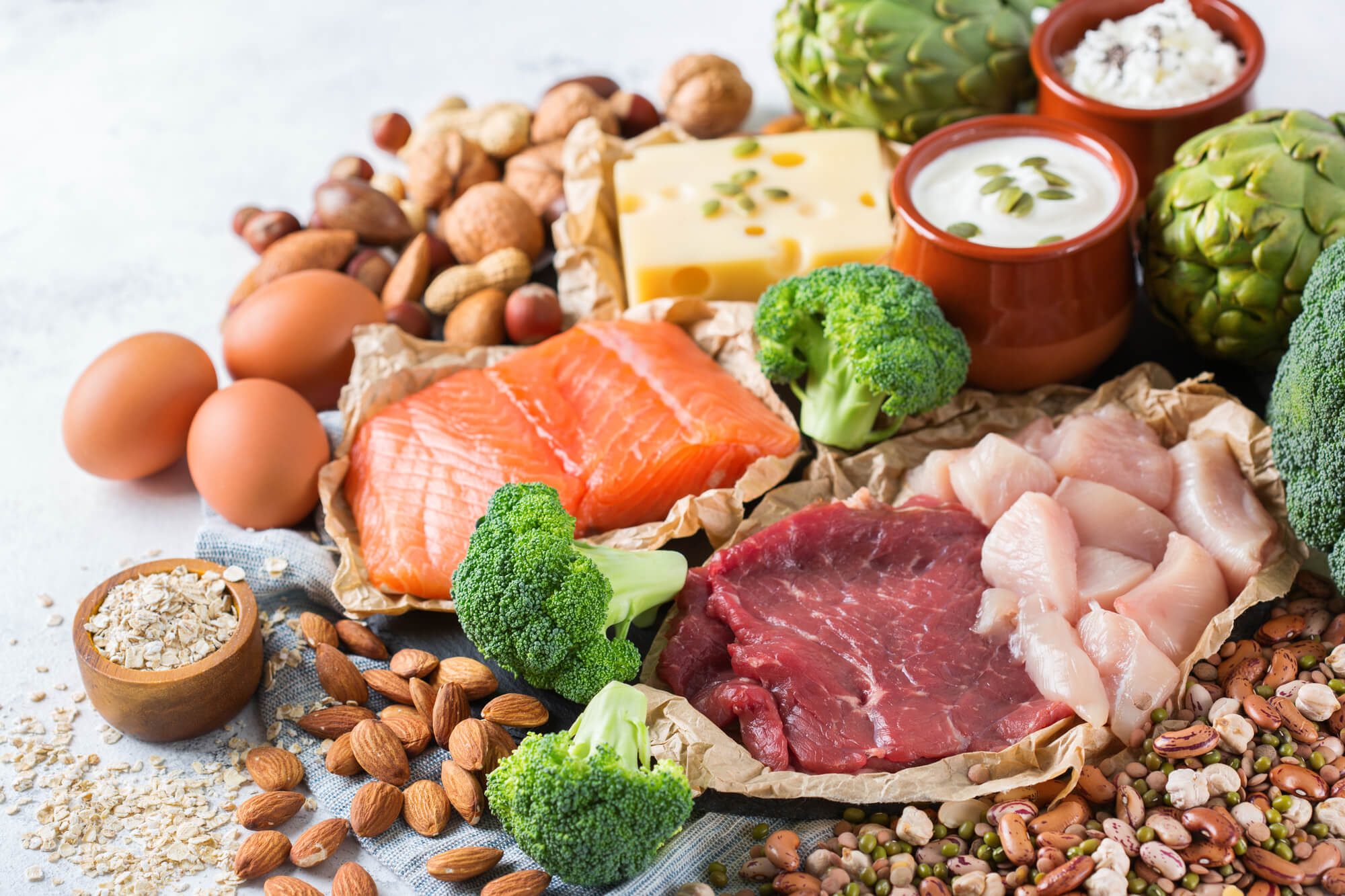
    In choosing your preferred protein source, choose foods that have at least one of the properties mentioned above. There are some high-quality protein sources that even have all of these characteristics. These foods can be very helpful to athletes when planning their meals. Examples of these high-quality protein sources are eggs, chicken breast, lean beef, tuna, salmon, and quinoa.

  • What is a Good Source of Protein?

    What is a Good Source of Protein?

    You’ve already heard a million times how important protein-rich foods are in gaining muscle. But you can’t help but wonder, are all proteins created equal? Should you fill your grocery cart with whatever food claims to be high in protein? We can only eat so much calories in a day, so shouldn’t protein quality matter as well?

    Here, we discuss the main factors to consider in choosing the sources of protein in your diet. We explain the different criteria that set certain protein sources above the rest. Hopefully, by the end of this reading, you’d be more confident in choosing protein-rich foods that meet your fitness goals.

    What Makes A Good Source Of Protein?

    There are three properties that set certain protein-rich foods above the rest. These properties describe the quality of proteins and how they interact with your body. These properties are: complete, fast-absorbing, and bio-available.

    Complete Proteins

    Complete proteins, simply put, are protein-rich foods that contain all the nine essential amino acids. Imagine a kitchen where you grow your own vegetables. If you can make your own greens, then your grocery bag should have more meat and fish. Likewise, we need to choose complete proteins, because they contain building blocks that our bodies cannot manufacture on their own.

    Complete proteins can be found in fish, beef, chicken, milk, and eggs. As you might notice, they are more common in animal protein sources. But vegetarians can also get complete proteins from some plant sources, such as soy, quinoa, chia seeds, and buckwheat.

    Another way of getting complete proteins from plant food sources is by food pairing. This is achieved by combining two incomplete proteins that provide all 9 essential amino acids when eaten together. A few plant food combinations that provide complete proteins are:

    • Whole wheat bread and peanut butter
    • Whole wheat pasta and peas
    • Black beans and rice
    • Lentils and almonds
    • Fast-Absorbing Proteins

    As the name suggests, fast-absorbing proteins quickly deliver amino acids to the muscle to help them with building and repair. Fast-absorbing proteins are the ideal type for post-workout drinks, as they can start muscle repair immediately.

    This property often has something to do with protein structure. At the microscopic level, proteins are complex chains of molecules that are twisted and folded together. In general, fast-absorbing proteins have a simpler, less folded structure, which makes it easier for our body to break them down into amino acids. The free amino acids can then be used by the body to build whatever protein it needs at the moment.

    One of the most common sources of fast-absorbing proteins is whey. Whey is a common source of protein for post-workout drinks, because of how quickly it is absorbed in the body. Some forms of whey protein powders are hydrolysed, which means that it has been partially broken down. This makes whey protein even much easily absorbed by the body. Hydrolysed whey protein is a great post-workout protein source for serious bodybuilders.

    Bio-available Proteins

    Bioavailability is the degree to which your body absorbs and uses protein. This property is a composite of many factors, such as the amino acid profile, the structure of the molecules, the amount of branched-chain amino acids, etc.

    The ‘Biological Value’ is a measure of how effectively a protein is metabolized to be used by your body. According to clinical studies, eggs are the most bioavailable, naturally-occuring source of protein. In fact, the biological value scale is based on egg protein, with its value set at 100.

    Another example of a naturally bioavailable protein is whey. Yes–aside from being complete and fast-absorbing, whey is bioavailable too. Natural whey sits at 95 on the BV scale, but its bioavailability can be further improved by processing. Whey concentrate has a BV of 104, while isolates and hydrosylates can even reach values beyond 110.

    As you can see, not all proteins are created equal. Some proteins are more helpful in building muscle, thanks to their properties of being complete, fast-absorbing, or bioavailable. Knowing where your food choices stand among these criteria can help you plan your diet to help you see faster results.

  • How much protein do I need?

    How much protein do I need?

    The importance of protein in one’s diet cannot be overstated. Aside from its role in gaining muscle and strength, it also helps in repairing cells, regulating hormones, and controlling one’s metabolism. And unlike fat and carbs, the body has no way of storing excess protein in the body. Thus, everyone needs to eat protein everyday, not just bodybuilders.

    But how much protein is enough, and what counts as too much? It has been discussed (if not debated) for decades how much protein should be consumed daily. Add to the mix some people who preach that you can never have too much protein, and we all get a bit confused. But what is really the right answer to this question?

    Can I Have as Much Protein As I Want?

    There have been stories of Greek heroes who became stronger because they ate about 20 pounds of meat everyday. This paved the way for many persistent myths about the recommended protein intake. Some ‘fitness experts’ believe that protein is so good for strength training, you can never have too much of it. However, a closer look into how our bodies metabolize protein reveals that this couldn’t be farther from the truth.

    Protein is a macronutrient that has many benefits. During digestion, proteins from our food are broken down into amino acids, which are then transported through our bloodstream. The amino acids are then distributed to parts of our body that need it at the moment, such as torn muscle fibers or blood cells that need to be repaired.
    If there is a surplus of amino acids, however, the body has no means of storing them. Most of the protein that doesn’t get used will be turned into glucose, in a process called Gluconeogenesis. Then, if you don’t use that glucose immediately, the body will store it as fat, which will eventually lead to weight gain.

    Another important thing to remember is that the process of converting excess protein to sugar will put stress on the kidneys over time. This does not happen immediately, but only after extended periods of consuming too much protein. Thus, it is important to stay within safe, expert-recommended limits even when taking a high-protein diet.

    How Much Protein Do You Need to Eat Daily?

    There is not just one recommended protein intake for everyone. Your ideal protein intake depends on your weight, goals, gender, and lifestyle. The National Institute of Health suggests that the daily minimum intake of a sedentary person is 0.8 grams per kilogram of body weight.

    But if you do intense workouts, you will need more. The Academy of Nutrition and Dietetics reports that a male bodybuilder needs 1.4 to 1.8 grams of protein per kilogram of body weight. If you are using steroids or performance enhancers, then this figure could be even bigger, depending on what you are taking.

    How Much Post-Workout Protein Do You Really Need?

    You do not need to indulge in a gallon of protein shakes or eat a dozen of eggs to get the protein that you need to recover from a workout. According to British researchers, consuming 20 grams of protein after your workout can be enough to trigger protein synthesis and initiate recovery after weightlifting.

    A good 20-gram protein source should include leucine, an essential amino acid that activates protein synthesis. In one study, 48 men ingested zero, 10, 20, or 40 grams of protein immediately after a strength workout. The men who took 20-gram and 40-gram doses showed more muscle protein synthesis compared to those who took lower amounts. However, the 40-gram dose didn’t produce any added benefit.

    After an intense workout, do not forget that you also need to consume enough carbohydrates to promote a substantial insulin release. Insulin is the hormone responsible for shuttling carbohydrates and amino acids into the muscle. In doing this, carbohydrate resynthesis is accelerated and protein balance becomes positive, which leads to rapid repair of the muscle tissue.

  • Protein Intake for Natural and Non-Natural Weight Training

    Protein Intake for Natural and Non-Natural Weight Training

    While most people go to the gym just to get trimmed, some have goals that go far beyond that. There are athletes, models, and competitive bodybuilders, who have fitness goals that are a couple of notches higher than the average joe. Even with the perfect diet and intense, regular weightlifting, these goals may not be achieved at all without a little extra help. Thus, anabolic steroids are born.

    If you are considering to take steroids, it’s important to consult a doctor first to know the possible health risks for you. Moreover, there are a couple of things you need to remember when planning your diet. Most diet advice on the internet are meant for natural bodybuilders, so you need to get information that’s suited especially for your needs. Here, we discuss the difference of a high-protein diet when you’re a natural vs. non-natural bodybuilder.

    What are Anabolic Steroids

    But first things first: what are steroids? Anabolic steroids are derived from the male sex hormone, testosterone. They are used to accelerate muscle growth and improve the appearance of muscles. It does so by helping the body absorb and retain protein, and decrease the rate of protein breakdown.

    Steroids have been around since the 1930’s. Initially, they were used to treat men who can’t produce enough testosterone naturally. As you could imagine, these men don’t have most physical characteristics associated with masculinity, such as body hair, deep voice, broad shoulders, and of course, a muscular physique.

    Natural vs. Non-Natural Weight Trainin

    Soon after, trainers realized that their athletes can also benefit from anabolic steroids. Nowadays, steroids are commonly used by athletes and weightlifters to help them achieve an impeccable shape.

    Aside from the enhanced muscle growth, steroids can also help you recover faster. While natural bodybuilders need at least 48 hours to recover before they can start working out again, steroids enable weightlifters to recover in just about a day. If natural weightlifters can work out 3-4 times a week, non-natural bodybuilders can train up to six times a week. That makes a an enormous difference in terms of the speed of muscle growth.

    However, don’t get into thinking that steroids are a magical sera that you can inject so you can grow without having to exert effort. If you think that steroids are a ‘lazy’ way to gain muscle, you couldn’t be further from the truth. Steroids can accelerate muscle growth, but it only works if you also double your efforts in the gym and pay close attention to your protein intake.

    Protein Requirements for Natural Weight Trainer

    Unlike steroids-users, the rate protein synthesis fluctuates throughout the day if you go natural. You have to time your protein intake when your body is more ready to absorb and use it to build muscle. Thus, the ‘Protein Pulse’ approach can be more beneficial for you. This simply means that you time your protein intake around your workouts.

    The purpose of this method is to create that spiking effect by taking higher amounts of protein before, during, or after workouts, and keeping protein intake relatively low for the rest of the day. The faster the protein is absorbed while your body is ready to absorb the nutrients, the greater the peaking effect.

    A word of caution: too much protein for natural lifters will not really help in muscle building. Excessive protein makes the body turn protein into energy (via Gluconeogenesis). Instead of building muscle tissue, you might create an energy surplus, which in turn will trigger your body to store fat.

    The rule of thumb for natural weightlifters is that you need to take 1 gram of protein per pound of your body weight per day.If you’re already in a calorie deficit, you can increase your protein intake to 1.2 to 1.4 grams per pound of body weight. Going any further than that will no longer be beneficial for you.

    Protein Requirements for Non-Natural Weight Trainer

    As you might expect, bodybuilders who use steroids need to eat more protein. Steroids increase your protein requirements for muscle building and, as well as the rate of protein synthesis itself. Moreover, you can benefit from a high protein intake throughout the day, since the rate of protein synthesis in your body is pretty high around the clock. You can also benefit from slow-release, high quality protein from casein-based shakes.

    It is well accepted that during anabolic or growth hormone stage, protein intake should be around 1.5 to 2 grams of protein per pound of body weight. The number also varies depending on the type of steroid that you are taking.

  • How a High-Protein Diet Can Help You Lose Fat Without Going Hungry

    How a High-Protein Diet Can Help You Lose Fat Without Going Hungry

    For many of us, losing body fat can be a long and painful process. It can be very frustrating, because once your brain senses the food deprivation, it will respond by dialing up your cravings. Just remember how you devoured a whole tray of cookies after a week of clean eating and working out.

    The good news is there’s an easy way to trick your brain and body into losing weight faster. In more ways than one, a high-protein diet helps you curb those cravings and promote fat burning. Truly, protein is a weight watcher’s best friend. Here are some reasons why a taking a high-protein diet is an effective way of losing body fat.

    Protein Makes You Feel Fuller, Longer

    Protein can make you fuller faster. Despite having the same calories per gram with carbohydrates, protein is a more satiating macronutrient. This means that our brain recognizes it’s had enough faster when we eat protein-rich foods. Just imagine how you can easily get through a huge bowl of pasta but not make it with a similar-sized bowl of pure chicken breast.

    Ask how bodybuilders have been doing it. Many bodybuilders take a high-protein diet and inadvertently lose body fat without even trying. And many of them will say that they weren’t initially planning on losing fat, it just happens! It’s also easy to find posts on fitness forums about how people swear on protein shakes that help them feel full for a long time. Just imagine how that would feel for you.

    How Protein Keeps Food Cravings at Bay

    Many studies have shown that high-protein and low-carb diets are good for fat loss and weight maintenance. All comparison studies show that you can lose about 1.2 to 3.7 kg more on high-protein diet rather than a low-fat diet. These diets provide hormone balance by stabilizing levels of the fat-storing hormone, insulin. Insulin is also the hormone that causes intense cravings, once the blood sugar drops.

    Another benefit of following a high-protein diet is that you inadvertently avoid processed foods, sugar and grains, experience fewer food cravings. Since many protein sources are affordable, filling, and easy to find, you are cutting back on refined carbs without even thinking about it.The net result is a stable blood sugar and feelings of fullness that last longer.

    Protein Helps You Burn More Calories

    You’ve probably heard of the saying: “Not all calories are created equal.” Okay, that’s not really how it goes, but that’s how we like to say it in the fitness world.

    When you consume protein rather than carbohydrates, the amount of calories the body burns at rest is also greater. This is because carbohydrates are a more readily available source of energy. Thus, the body takes up more energy to metabolize protein, needing to make enzymes to break down protein into amino acids before the body can use it. And although excess protein can still turn into fat, the metabolic process is such a long and winding road that you need to really eat so much protein before it gets stored as fat. Compare that with carbohydrates, which immediately get stored as fat if you don’t use it for energy within a few hours of eating.

    Making the Most of a High-Protein Diet

    Just like any other diet, it’s best to consult first with a dietician. This way, you’ll know how to approach the new diet with your health status. That being said, there are many things to look out for in a high-protein diet that can be applicable to anyone–even non-bodybuilders! Such are:

    Only eat a certain amount of carbs according to your activity level and body composition goals. If you are active, you can eat more carbs, 100 to 200 grams per day. If you are more of a torpid person or overweight, 50 grams of carbs per day is suggested.

    There are a variety of foods that provide protein. But not everyone one of them can be good for you. Avoid processed meats, meats high in fat and full-fat dairy. Get your source of protein from foods that offer good protein. Examples of such are:

    • Whole Eggs
    • Chicken (preferably no skin )
    • Turkey
    • Fish
    • Low-Fat Dairy

    Eat more fiber. This is a very crucial tip because once you start eating fewer carbs, your fiber intake might be affected. Your goal is at least 25 grams per day. You can get your fiber with vegetables, fruits, beans, and nuts.

    Overall, high-protein diets are a healthy, easy, and affordable way to lose body fat. It helps make your meals a lot more filling, helps curb your cravings, and helps you burn more fat–even at rest!